The 2026 Paralympic Winter Games schedule runs from March 6 to March 15 across Milan and Cortina d’Ampezzo, Italy.
Over these nine days, around 600 athletes from more than 50 nations will compete in 79 medal events spanning six winter sports.
From alpine skiing’s downhill races to the intensity of Para ice hockey’s final match, every day brings new opportunities for Paralympic excellence.
Planning which events to watch means understanding when major competitions happen and which sports peak at different points during the games.
Opening ceremonies kick things off on March 6, followed immediately by medal events on March 7.
2026 Paralympic Winter Games Schedule
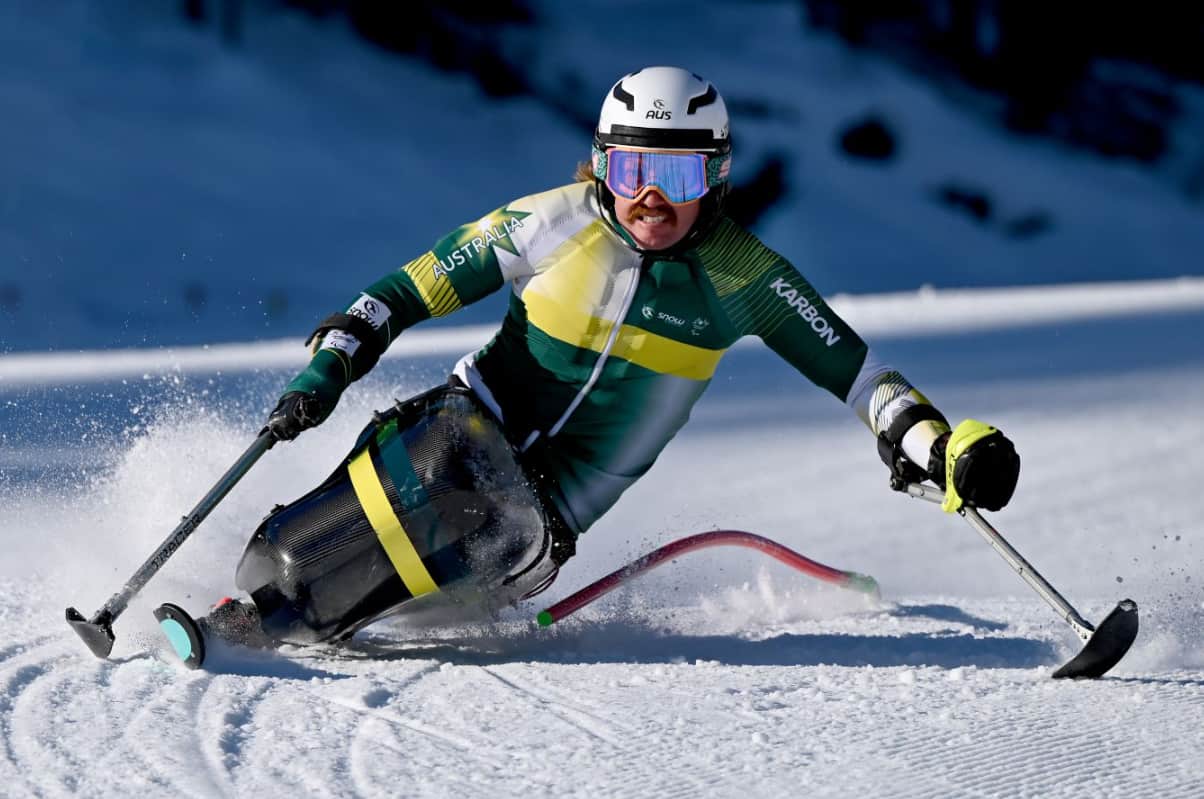
The schedule builds toward a dramatic finish on March 15 with the Para ice hockey gold medal match and closing ceremonies wrapping up the competition.
Milano Cortina 2026 Winter Paralympics
Italy hosts the Winter Paralympics across multiple venues in Milan and Cortina d’Ampezzo, bringing world-class winter sports facilities to adaptive athletics.
The games feature competitions designed for athletes with physical and visual impairments, using classification systems that ensure fair competition among athletes with similar functional abilities.
Six sports make up the Paralympic winter program: Para alpine skiing, Para biathlon, Para cross-country skiing, Para snowboard, Para ice hockey, and wheelchair curling.
Each sport includes multiple events and classifications, creating 79 separate medal opportunities across the nine-day competition window.
The 2026 Paralympic Winter Games fixtures include both individual and team events, with some sports like wheelchair curling and Para ice hockey featuring collaborative competition, while others test individual skill and endurance.
This mix creates varied viewing experiences throughout the schedule.
| Competition Information | Details |
|---|---|
| Host Cities | Milan & Cortina d’Ampezzo, Italy |
| Competition Period | March 6 – March 15, 2026 |
| Participating Countries | 50+ nations |
| Competing Athletes | Approximately 600+ |
| Total Medal Events | 79 |
| Paralympic Sports | 6 |
| Opening Ceremony | March 6, 2026 |
| Closing Ceremony | March 15, 2026 |
Complete Sport-by-Sport Breakdown
The 2026 Paralympic Winter Games full schedule distributes 79 medal events across six sports, with Para alpine skiing commanding the largest share at 30 events.
Each sport operates under different competitive formats and timing structures that affect when and how often medals are awarded.
Para Alpine Skiing (30 Events)
Alpine skiing dominates the Paralympic schedule with five disciplines contested across multiple classifications.
Events include downhill, super-G, giant slalom, slalom, and alpine combined.
Athletes compete in standing, sitting, and visually impaired categories, creating separate medal opportunities within each discipline.
Downhill races deliver pure speed as athletes navigate courses with minimal turns. Super-G combines speed with technical turning.
Giant slalom and slalom emphasize technical skill with tighter turns and more gates.
Alpine combined merges downhill and slalom runs into a single competition decided by combined time.
Para Biathlon (18 Events)
Biathlon tests both physical endurance and shooting precision.
Athletes ski cross-country courses between shooting stages where they must hit targets while managing fatigue and elevated heart rates.
The contrast between explosive skiing effort and the calm precision needed for shooting creates compelling competition dynamics.
Three main formats divide biathlon events:
- Sprint (7.5 km with two shooting stages)
- Individual (12.5 km with four shooting stages)
- Sprint Pursuit (building on sprint results)
Classification categories multiply these formats into 18 separate medal events.
Para Cross-Country Skiing (20 Events)
Cross-country skiing emphasizes endurance across varied race distances.
Sprint races offer short, intense efforts while 10 km and 20 km races test sustained pace management.
Relay events add team strategy elements to individual endurance demands.
Athletes race in sitting, standing, and visually impaired classifications, with visually impaired competitors working with guides who ski alongside them, providing directional cues.
Para Snowboard (8 Events)
Snowboard events bring terrain park elements to Paralympic competition.
Snowboard cross features head-to-head racing through courses with jumps, berms, and obstacles.
Banked slalom tests technical turning on courses without aerial features, emphasizing speed maintenance through carved turns.
The sport’s classification system focuses on lower limb impairments, creating competition divisions based on functional ability differences.
Para Ice Hockey (1 Event)
Para ice hockey culminates in a single gold medal match on the final day, but the road to that final involves preliminary rounds and elimination games throughout the latter half of the schedule.
Teams play on sledges using two sticks each for propulsion and puck handling.
The sport’s physical nature and three-period format create basketball-style game flow with constant action and strategic substitutions.
Final-day scheduling positions the gold medal match as one of the game’s climactic moments.
Wheelchair Curling (2 Events)
Wheelchair curling includes mixed doubles and mixed team competitions.
Teams deliver stones toward a target area called the house, with strategic placement and opponent stone removal determining scoring.
Matches run over eight or ten ends, depending on format, with each end representing one complete round of stone delivery.
The sport’s tactical depth emerges through shot selection, guard placement, and managing the scoring dynamics across multiple ends.
2026 Paralympic Winter Games Fixture: Day-by-Day Schedule
The competition schedule builds intensity across nine days, starting with multiple sports awarding medals immediately after the opening ceremonies and maintaining consistent daily action through the final weekend.
| Date | Major Events and Highlights |
|---|---|
| March 6 | Opening Ceremony in Verona |
| March 7 | First alpine skiing medals, biathlon sprint events begin |
| March 8 | Snowboard cross finals, biathlon individual competitions |
| March 9 | Alpine super-G races across classifications |
| March 10 | Alpine combined finals, cross-country sprint races |
| March 11 | Cross-country 10km races, wheelchair curling finals |
| March 12 | Women’s giant slalom competitions |
| March 13 | Biathlon sprint pursuit, alpine giant slalom |
| March 14 | Snowboard banked slalom, cross-country relay events |
| March 15 | Para ice hockey gold medal match, closing ceremony |
Daily programming starts with morning events around 9 AM local time (Central European Time) and continues through afternoon sessions.
Multiple venues operating simultaneously means overlapping competitions, particularly during mid-schedule days when alpine, cross-country, and biathlon events run concurrently.
Opening Ceremony: Launching the Games
Opening ceremonies take place on March 6 in Verona, showcasing Italian culture and officially welcoming participating nations.
The ceremony combines traditional elements like the athletes’ parade with modern performance production, creating a spectacle that sets the tone for the competition ahead.
Organizers typically use opening ceremonies to highlight the host country’s identity while celebrating Paralympic values of determination and excellence.
Expect musical performances, cultural displays, and the lighting of the Paralympic flame that burns throughout the games.
Key Competition Moments Throughout the Schedule
Certain events carry extra significance due to their place in Paralympic tradition or their position in the schedule.
The March 7 alpine skiing medals represent the games’ first gold awards, creating immediate competitive intensity.
Biathlon’s combination of endurance and precision makes its finals consistently dramatic, especially the sprint pursuit format, where athletes start based on previous race results, turning the competition into a visual chase.
Cross-country relay events on March 14 showcase team dynamics rarely seen in individual-focused winter Paralympics.
Teams strategize about which athletes ski which legs based on course profiles and tactical matchups. The handoff zones add tension as lead changes happen through the race.
Para ice hockey’s final positioning on March 15 gives the games a climactic team sport conclusion before closing ceremonies.
Unlike individual events where medals are decided and athletes immediately celebrate, the hockey final delivers sustained tension across three periods with momentum shifts and strategic adjustments visible to fans.
Wheelchair Curling Competition Format
Wheelchair curling operates on ice sheets where teams deliver stones toward a target area.
Mixed team competitions feature four-person teams playing ten-end matches, while mixed doubles uses two-person teams over eight ends.
Each end involves both teams delivering eight stones (team) or five stones (doubles), with scoring determined by which stones sit closest to the target center.
The sport’s tactical depth comes through guard placement protecting scoring stones, draws placing stones precisely in scoring position, and takeouts removing opponent stones from play.
Teams build strategies across multiple ends, sometimes sacrificing scoring opportunities in one end to set up better chances in later ends.
Broadcast Coverage and Viewing Access
Major broadcasters worldwide carry Paralympic coverage, with NBC handling U.S. distribution across NBC, USA Network, CNBC, and Peacock streaming.
More than 60 hours of live television coverage spans the nine-day competition, supplemented by extensive streaming that captures events not carried on primary networks.
Channel 4 provides UK coverage while regional broadcasters across Europe, Asia, and other continents offer localized programming.
Streaming platforms increasingly offer multi-event viewing, letting fans watch several competitions simultaneously during peak action periods.
Schedule Strategy and Athletic Performance
The compressed schedule creates unique challenges for multi-event athletes like those competing in both biathlon and cross-country skiing.
Recovery windows between races become crucial, with athletes balancing training intensity against competition demands.
Unlike able-bodied skiing, where depth allows athletes to specialize in single events, Paralympic classification systems sometimes mean top athletes contest multiple disciplines for medal opportunities.
Alpine skiing’s technical events (slalom, giant slalom) versus speed events (downhill, super-G) require different physical preparation and mental approaches.
Athletes competing in both must shift mindsets between pure speed, aggression, and technical precision. The schedule’s spacing of these events affects how athletes prepare across the competition window.
Team sports like ice hockey and curling benefit from schedule positioning that allows preliminary rounds to establish competitive dynamics before medal rounds.
Unlike individual events where every athlete gets one shot at glory, team sports build narratives across multiple games, creating storylines that develop throughout the competition.
Meet Milo: The 2026 Paralympic Mascot
Milo the stoat serves as the official games mascot, designed to represent resilience and creativity.
Mascots function as accessible ambassador figures, particularly important for Paralympic games, where representation and inclusivity form core values.
Milo’s character emphasizes overcoming challenges and embracing inventive solutions, mirroring Paralympic athletes’ approaches to competition.
The stoat choice connects to the Alpine environment of Cortina d’Ampezzo, grounding the mascot in regional wildlife while giving it personality traits that resonate with Paralympic themes.
Closing Ceremony: Celebrating Paralympic Achievement
March 15’s closing ceremony celebrates athletic achievements while passing the Paralympic flag to the next host nation.
These ceremonies traditionally feature cultural performances, medal presentations for final-day events, and athlete celebrations less formal than opening ceremony protocols.
The ceremony marks not just the competition’s end but recognition of the two weeks (including the Olympic Games preceding the Paralympics) that transform host cities into global sports centers.
Athletes who spent nine days competing shift into celebration mode, creating memorable moments that define games beyond medal counts.
FAQs
- When does the 2026 Paralympic Winter Games schedule begin?
Competition starts March 6 with opening ceremonies, followed immediately by medal events beginning March 7 and running through March 15.
- How many total events are in the 2026 Paralympic Winter Games fixtures?
Athletes compete in 79 medal events across six sports: Para alpine skiing, Para biathlon, Para cross-country skiing, Para snowboard, Para ice hockey, and wheelchair curling.
- Which sport has the most events in the schedule?
Para alpine skiing dominates with 30 medal events across five disciplines and multiple classification categories.
- What’s the final event before the closing ceremonies?
The Para ice hockey gold medal match serves as one of the last major competitions on March 15 before the closing ceremonies conclude the games.
- Where can I find daily broadcast times for specific events?
Official Paralympic websites and national broadcasters like NBC publish detailed daily schedules with event times, typically available a few weeks before competition begins.
Planning Your Paralympic Viewing Experience
The 2026 Paralympic Winter Games schedule delivers nine consecutive days of world-class adaptive winter sports across Milan and Cortina d’Ampezzo.
With 79 medal events spanning six sports, the competition maintains consistent intensity from March 7’s first alpine skiing medals through March 15’s Para ice hockey final.
Understanding the schedule helps you catch the events that interest you most, whether that’s biathlon’s unique endurance-precision combination, alpine skiing’s speed and technical variety, or team sports’ strategic depth.
Mark your calendar for the opening ceremonies on March 6, and prepare to watch Paralympic athletes compete at the highest level winter sports can offer.
Also Check:
About the Author
