The College Football Overtime Rules 2026 maintain a structured progression system designed to produce a definitive outcome.
Regulation games that end in a tie automatically advance to overtime periods with modified scoring requirements.
The format guarantees equal possession opportunities through the first two overtime periods.
Beginning with the third overtime, teams engage in alternating 2-point conversion attempts from the 3-yard line.
No game clock operates during overtime. Only the play clock runs to maintain the pace of play while eliminating time-based strategy adjustments.
College Football Overtime Rules 2026
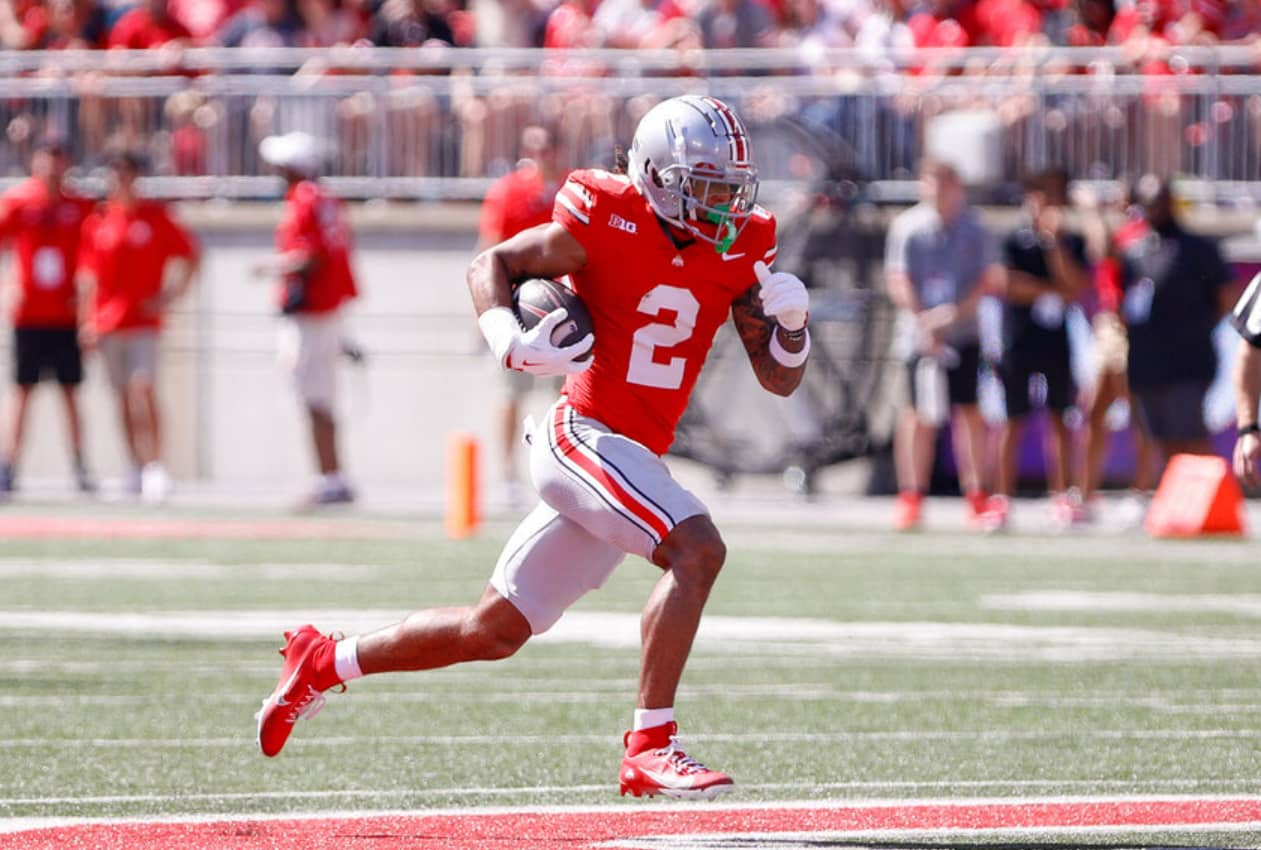
Overtime Overview: How a Game Enters OT?
A college football game enters overtime when the score remains tied after four regulation quarters.
The system eliminates the possibility of tied outcomes at any competition level.
Overtime operates without a running game clock. Teams face only play clock constraints during each possession cycle.
Play continues through successive overtime periods until one team holds a scoring advantage at the conclusion of a completed overtime period.
This structure applies universally across regular season, bowl games, and playoff contests.
Coin Toss & Possession Choice
Team captains conduct the overtime coin toss at the 50-yard line. The visiting team captain calls the toss result while the football is in the air.
The toss winner selects between two options:
- Offensive or defensive possession priority
- End zone selection for overtime play
- Strategic advantage determination
The losing team receives the remaining unclaimed option. Most teams select defensive possession first to determine the required scoring outcomes before their offensive possession.
How do possessions work in Overtime?
Each team receives one guaranteed possession per overtime period through the second OT. All drives begin at the opponent’s 25-yard line unless penalty enforcement changes placement.
Equal possession opportunities ensure competitive balance during the first two overtime periods.
A possession terminates under specific conditions:
- Touchdown scored
- Field goal converted
- Failed fourth-down conversion
- Turnover (interception or fumble)
- Safety recorded
The team with the higher score after both possessions are complete wins the game. If scores remain tied, play advances to the next overtime period.
Timeout Rules in 2026
Timeouts reset completely when overtime begins. Unused regulation timeouts do not transfer to overtime periods.
The College football overtime rules timeouts structure changes across overtime progression. Timeout availability decreases as overtime periods advance.
Timeout allocation operates as follows:
- First overtime period: Each team receives one timeout
- Second overtime period: Each team receives one timeout
- Third overtime onward: One total timeout shared for all remaining periods
Timeouts from earlier overtime periods do not carry forward to subsequent periods. Teams must manage timeout usage strategically within each period’s allocation.
What Changes After Each Overtime?
The scoring structure and field position requirements shift across overtime progression. Each period introduces modified requirements to accelerate game conclusion.
- First Overtime
Possessions begin at the opponent’s 25-yard line. Teams may attempt field goals or touchdowns using standard offensive plays.
Extra point attempts remain available after touchdowns. Teams may kick PAT or attempt 2-point conversions based on strategic preference.
- Second Overtime
The 25-yard line starting position continues. Possession structure remains unchanged from the first overtime period.
The College football overtime rules and extra point requirements have changed significantly.
All touchdowns require mandatory 2-point conversion attempts. PAT kicks are eliminated from the second overtime onward.
- Third Overtime and Beyond
Full offensive possessions from the 25-yard line end completely. Teams alternate single-play 2-point conversion attempts from the 3-yard line.
Each 2-point attempt constitutes one complete overtime period. Play continues until one team converts while the opponent fails on the same overtime attempt.
Overtime Rules 2026 Summary
The progression structure requires tabular presentation for accurate reference. Scoring requirements and field position change systematically across periods.
| Overtime Period | Starting Position | Possessions | Scoring Rule | 2-Point Requirement | Game Clock |
|---|---|---|---|---|---|
| 1st OT | Opponent’s 25-yard line | One per team | Full offensive plays | Optional | No clock |
| 2nd OT | Opponent’s 25-yard line | One per team | Full offensive plays | Mandatory after TD | No clock |
| 3rd OT+ | 3-yard line | One play per team | 2-point attempts only | All plays | No clock |
Can a College Football Game End in a Tie?
College football games cannot end in tied outcomes under the current overtime rules. The system continues through unlimited overtime periods until a score differential exists.
The mandatory winner requirement applies to:
- Regular season conference games
- Non-conference regular-season games
- Bowl game contests
- College Football Playoff semifinal games
- National Championship final
Tied games were eliminated from college football in the mid-1990s when overtime rules were first implemented.
How Overtime Differs From the NFL?
College Football Overtime Rules 2026 diverge substantially from the professional overtime structure.
The College football overtime rules vs NFL comparison reveals fundamental procedural differences.
The College football overtime rules time structure eliminates game clock usage in the college format.
Key structural differences include:
- Possession guarantees: College ensures both teams receive possessions through second OT; NFL allows first-possession touchdown wins
- Clock operation: College uses only the play clock; the NFL operates 10-minute overtime periods in the regular season
- Starting position: College begins at the 25-yard line; the NFL conducts a kickoff to start overtime
- Tie outcomes: NFL regular season allows ties after one overtime period; college mandates winner determination
Why the 2-Point Format Was Introduced?
The New college football overtime rules implemented the 2-point shootout format for policy-driven operational reasons. Rule changes addressed specific concerns identified through multi-overtime game analysis.
Primary factors driving rule modification include:
- Player safety protection during extended competition
- Injury risk reduction in prolonged contests
- Game length management for broadcast scheduling
- Competitive balance through the elimination of endurance advantages
The alternating 2-point format replaced unlimited full-possession overtime periods that previously extended games beyond five hours in extreme cases.
Conclusion:
The College Football Overtime Rules 2026 establish structured overtime progression from full possessions to 2-point attempts.
The format provides competitive balance through guaranteed possessions while implementing time-reduction measures.
Structural elements include:
- Equal possession opportunities in periods 1-2
- Mandatory 2-point conversions beginning in period 2
- Alternating single-play attempts from period 3 onward
- Zero game clock operation across all periods
- Declining timeout availability as periods progress
The College football overtime rules field goal option remains available during the first and second overtime periods only.
The College football overtime rules state that an interception return results in immediate possession termination, with the opponent receiving a subsequent possession opportunity.
The system eliminates tied outcomes while managing game duration through progressive scoring restrictions.
More Football Guides for You:
- Most Watched Football Leagues in the World
- Greatest South Korean Players in Football History
- Best Wingers in the World
- Best Defenders in the World
- Best Goalkeepers in the World
- EPL Points System Explained
- FUNino Rules
About the Author
