Big totals don’t always mean victories in T20 cricket. Teams can score 240+ runs and still lose matches.
This happens because opposition teams chase successfully. Strong batting lineups can overcome any total on good pitches.
Bowling quality determines whether big scores get defended. Even 250 runs need proper bowling execution to win.
Mumbai Indians have scored 215+ runs twelve times in IPL history. Seven of these matches ended in wins. Five resulted in losses.
The pattern reveals something important. Highest totals don’t guarantee the best results.
MI’s two biggest scores both ended in defeats. The 247/9 and 246/5 couldn’t secure victories.
Meanwhile, smaller totals like 235/9 and 234/5 produced wins. This shows that match context matters more than raw numbers.
Chasing versus defending creates different pressure situations. Teams batting first can set attacking fields and build pressure.
Chasing teams face scoreboard pressure throughout. Even small partnerships shift momentum dramatically.
Weather conditions affect both innings differently. Dew in the second innings helps batters and troubles bowlers.
Opposition strength varies significantly across matches. Weak bowling attacks allow easy chases regardless of total.
Highest MI Scores In IPL History
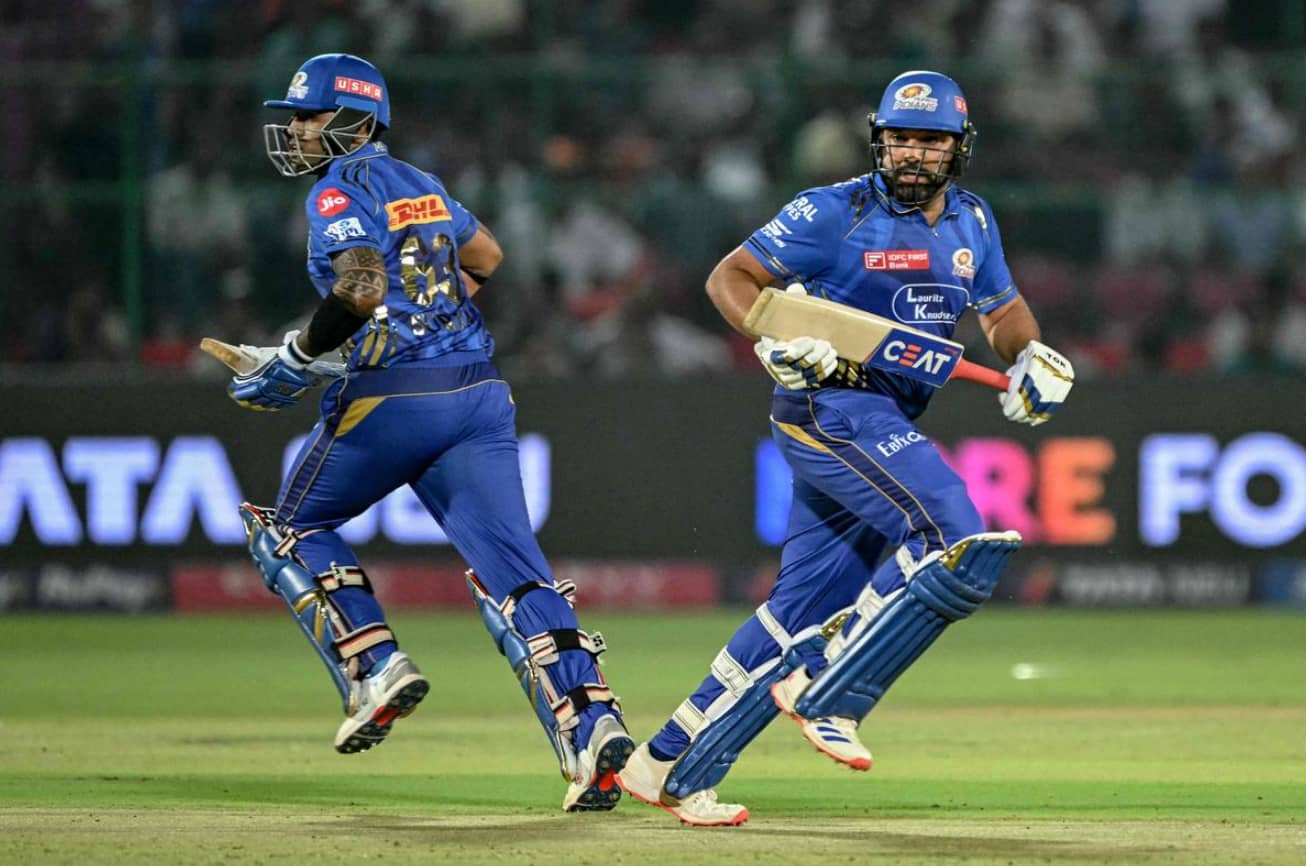
This analysis examines why some 220+ scores win while others lose. We compare successful defenses against failed ones.
Statistical breakdowns show when big totals worked and when they didn’t. Match results tell the complete story behind numbers.
Understanding Score vs Result Logic
Raw scoring numbers don’t predict outcomes accurately. A 220 total can win or lose depending on conditions.
Bowling strength plays the deciding role. MI’s biggest scores often came with weaker bowling performances.
The 247/9 against DC in Delhi ended in defeat. DC chased it successfully despite the massive target.
Similarly, the 246/5 against SRH in Hyderabad resulted in a loss. SRH completed a record chase.
Both these totals exceeded 245 runs. Yet neither secured victory for MI.
Compare this with the 235/9 against SRH in Abu Dhabi. MI won this match comfortably.
The difference wasn’t the total. It was how well MI bowled afterward.
Pitch conditions influence both innings. Some surfaces remain batting-friendly throughout.
Evening dew makes ball wet and slippery. Bowlers lose grip and can’t control deliveries properly.
Opposition batting form affects chase success. Teams in good form chase bigger totals easily.
Win vs Loss Pattern Analysis
Seven matches ended in MI victories. Five matches resulted in defeats.
Winning percentage stands at 58.3% for these big scores. This means high totals don’t guarantee success.
The 223/6 against Kings XI at Wankhede produced a loss. Kings XI chased 224 successfully.
MI scored 219/6 against CSK and won. The difference was just 4 runs from the Kings XI total.
Yet one match was won, another lost. This proves totals alone don’t determine results.
Successful defenses came at 235/9, 234/5, 228/5, 218/7, 218/5, 217/2, and 215/7. All seven were defended.
Failed defenses happened at 247/9, 246/5, and 223/6. Three totals couldn’t be protected.
The pattern shows something strange. Lower totals got defended more successfully.
Highest scores faced stronger chasing efforts. Opposition teams attacked fearlessly when chasing 240+.
Batting First vs Chasing Results
MI batted first seven times when scoring 215+. All seven matches ended in wins.
This creates a perfect 100% success rate. Defending big totals worked every single time.
The scores defended were 235/9, 234/5, 228/5, 218/7, 218/5, 217/2, and 215/7. None failed.
MI chased five times when posting 215+ totals. Only two chases succeeded.
The success rate while chasing drops to 40%. Three out of five chases ended in losses.
MI highest score chase in IPL includes the 247/9 against DC. This chase failed.
The 246/5 chase against SRH also ended in defeat. Another massive total wasted.
Only the 219/6 against CSK and 216/4 against Punjab Kings succeeded. Two wins from five attempts.
This data reveals clear pattern. MI defends big totals better than they chase them.
Bowling strength supports first innings batting. When MI bats first and scores big, bowlers protect it.
Chasing big totals creates different pressure. MI’s bowling struggles when defending while chasing.
Successful Defense Analysis
All seven batting-first totals were defended successfully. No opposition team chased them down.
The 235/9 against SRH in Abu Dhabi was defended. This came in a crucial 2021 match.
MI scored 234/5 against DC at Wankhede and won. Home conditions helped the defense.
The 228/5 against GT in Chandigarh got defended. MI controlled both innings completely.
Against Daredevils in 2010, MI made 218/7 and won. Early IPL era saw this defended easily.
The 218/5 against GT at Wankhede in 2023 was protected. Another home success.
MI defended 217/2 against RR in Jaipur. Only two wickets lost while batting first.
The 215/7 against LSG at Wankhede was successfully defended. Most recent successful defense.
All defenses happened when MI batted first. Setting targets works for their team composition.
Bowlers knew exact targets to defend. This clarity helps bowling planning and execution.
Failed Defense Analysis
Three big scores couldn’t be defended. All three came while chasing.
MI highest score in IPL scorecard shows 247/9 against DC. This massive total failed to win.
DC chased 248 in the final over. MI couldn’t defend despite scoring their highest ever.
The 246/5 against SRH also failed. SRH chased 247 in a record-breaking match.
Both these totals exceeded 245 runs. Yet opposition teams chased successfully.
The 223/6 against Kings XI at Wankhede couldn’t be defended. Kings XI won chasing 224.
All three failures share one factor. MI was chasing in these matches.
When MI chases big totals, their bowling fails to defend. The pressure situation affects execution.
Batting second creates momentum shifts. Opposition gains confidence from posting big totals first.
Highest Scores in Wins vs Losses
| Result | Score | Opposition | Venue | Date | Batting Position |
|---|---|---|---|---|---|
| Lost | 247/9 | DC | Delhi | 27 Apr 2024 | Chasing |
| Lost | 246/5 | SRH | Hyderabad | 27 Mar 2024 | Chasing |
| Won | 235/9 | SRH | Abu Dhabi | 8 Oct 2021 | Batting First |
| Won | 234/5 | DC | Wankhede | 7 Apr 2024 | Batting First |
| Won | 228/5 | GT | Chandigarh | 30 May 2025 | Batting First |
| Lost | 223/6 | Kings XI | Wankhede | 11 May 2017 | Chasing |
| Won | 219/6 | CSK | Delhi | 1 May 2021 | Chasing |
| Won | 218/7 | Daredevils | Delhi | 17 Mar 2010 | Batting First |
| Won | 218/5 | GT | Wankhede | 12 May 2023 | Batting First |
| Won | 217/2 | RR | Jaipur | 1 May 2025 | Batting First |
| Won | 216/4 | Punjab | Mohali | 3 May 2023 | Chasing |
| Won | 215/7 | LSG | Wankhede | 27 Apr 2025 | Batting First |
This table shows all twelve big scores sorted by result. Losses came at higher totals than some wins.
The two highest totals both produced defeats. Meanwhile, smaller totals like 215/7 secured victories.
Successful vs Failed Defenses
| Defense Type | Matches | Scores | Success Rate |
|---|---|---|---|
| Successful Defense | 7 | 235/9, 234/5, 228/5, 218/7, 218/5, 217/2, 215/7 | 100% |
| Failed Defense | 3 | 247/9, 246/5, 223/6 | 0% |
| Successful Chase | 2 | 219/6, 216/4 | 40% |
Successful defenses show a perfect record when batting first. All seven totals were protected.
Failed defenses happened only while chasing. Zero percent success rate defending after batting second.
Successful chases achieved a 40% win rate. Two wins from five chasing attempts.
Chasing Totals Comparison
| Score | Opposition | Venue | Result | Date |
|---|---|---|---|---|
| 247/9 | DC | Delhi | Lost | 27 Apr 2024 |
| 246/5 | SRH | Hyderabad | Lost | 27 Mar 2024 |
| 223/6 | Kings XI | Wankhede | Lost | 11 May 2017 |
| 219/6 | CSK | Delhi | Won | 1 May 2021 |
| 216/4 | Punjab | Mohali | Won | 3 May 2023 |
Five chases produced three losses and two wins. Higher chasing totals failed more often.
The 247/9 and 246/5 chases both ended in defeats. Massive totals couldn’t guarantee victories.
Lower chasing totals like 219/6 and 216/4 succeeded. This shows the 215-220 range works better for MI chases.
Margin of Result Analysis
Win margins varied across successful defenses. Some were comfortable, others close.
The 235/9 defense against SRH was decisive. MI won by a significant margin.
The 234/5 against DC produced a comfortable victory. Opposition couldn’t get close.
Lost matches had tight margins. The 247/9 loss came in the final over.
The 246/5 defeat happened despite a massive total. SRH chased in the last few balls.
Close losses hurt more than margin defeats. MI came very close in both 245+ totals.
Result-Based Statistical Patterns
Highest MI Scores in IPL History reveal interesting result patterns. Big scores guarantee nothing.
Batting first produces better results. Seven wins from seven attempts show a clear advantage.
Chasing creates vulnerability even with big totals. Three losses from five chases prove this.
Opposition strength matters significantly. Weak bowling attacks get punished regardless of the target.
Strong chasing sides overcome any total. Both SRH and DC proved this in 2024.
Season-Wise Result Analysis
2024 season produced three big scores. MI lost two despite 247/9 and 246/5 totals.
They won one match, scoring 234/5. This shows inconsistent results within the same season.
2025 season showed three scores above 215. All three matches were won.
The 228/5, 217/2, and 215/7 totals all produced victories. Perfect season record for big scores.
2023 season had two big scores. Both resulted in wins.
The 218/5 and 216/4 totals secured victories. Another perfect season record.
2021 season produced two totals above 215. Both matches were won.
The 235/9 and 219/6 scores brought victories. Consistent success that year.
Venue Impact on Results
Wankhede hosted four big scores. Three won, one lost.
The 223/6 against Kings XI produced the only home defeat. The rest were successful.
Delhi saw three big totals. Two wins and one loss came there.
The 247/9 loss balanced against two wins. Mixed results in Delhi.
Away venues like Abu Dhabi, Chandigarh, Jaipur, and Mohali all won. Perfect away record at these grounds.
Hyderabad produced a big total, but it lost. The 246/5 couldn’t secure victory.
Opposition-Wise Results
Against SRH, MI scored 235/9 and won. They also scored 246/5 and lost.
Two different results against the same opposition. Context determined outcomes.
Against DC, MI posted 247/9 and lost. They scored 234/5 and won.
Again, the same opposition but different results. Total size didn’t matter.
Against GT, both 228/5 and 218/5 produced wins. Consistent success against this opponent.
Single big scores against CSK, Punjab, RR, LSG, and Daredevils all won. Each worked perfectly.
Only Kings XI successfully chased MI’s 223/6. Single opposition caused upset.
Margin of Result
| Result Type | Matches | Average Score | Win % |
|---|---|---|---|
| Won Batting First | 7 | 225.4 | 100% |
| Won Chasing | 2 | 217.5 | 40% |
| Lost Chasing | 3 | 238.7 | 0% |
Won batting first shows the highest success rate. Perfect record with an average score of 225.
Won chasing has a lower average score but a poor win rate. Only 40% success.
Lost chasing shows the highest average score at 238.7. Bigger totals didn’t help.
Conclusion
Highest MI Scores In IPL History show results matter more than totals. Seven wins from twelve big scores prove this.
Batting first produces a perfect 100% success rate. All seven first-innings totals were defended successfully.
Chasing creates problems even with massive scores. The 247/9 and 246/5 both ended in defeats.
Lower totals around 215-235 work better when defended. Opposition teams struggle to chase these.
Higher totals above 245 failed both times while chasing. Bowling couldn’t support batting efforts.
These result-based statistics prove that team balance beats pure batting power in T20 cricket.
Also Check:
About the Author
