Claiming a five-wicket haul in T20 International cricket represents a statistically uncommon achievement due to the four-over bowling restriction per player.
The format’s structural constraints limit individual wicket-taking opportunities while maintaining elevated scoring rates throughout innings phases.
The most expensive five-wicket hauls in T20I cricket represent performances where bowlers achieved significant dismissal tallies while conceding substantial runs.
These spells occurred predominantly in high-scoring matches where batting conditions heavily favored aggressive shot-making and boundary-hitting strategies.
Most Expensive Five-Wicket Hauls in T20I Cricket
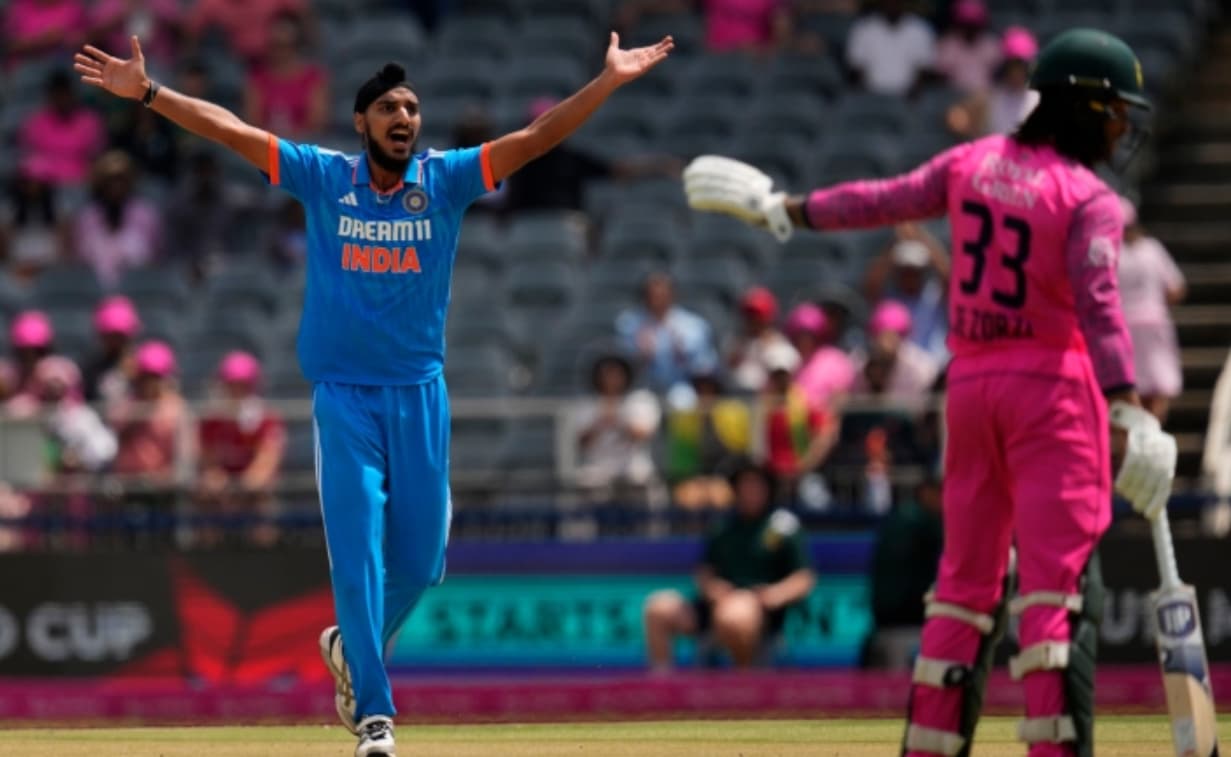
This analysis examines bowling performances where wicket-taking success coincided with elevated economy rates, revealing the challenging balance between attacking bowling approaches and run concession management in batting-dominated T20 contexts.
Top 5 Most Expensive Five-Wicket Hauls in T20I Cricket
| Rank | Player | Team | Figures | Overs | Opponent | Year | Result |
|---|---|---|---|---|---|---|---|
| 1 | Arshdeep Singh | India | 5/51 | 4 | New Zealand | 2026 | India Won |
| 2 | Alzarri Joseph | West Indies | 5/40 | 4 | South Africa | 2023 | West Indies Won |
| 3 | Lungi Ngidi | South Africa | 5/39 | 4 | England | 2022 | South Africa Lost |
| 4 | Waseem Abbas | Malta | 5/37 | 4 | Romania | 2021 | Malta Lost |
| 5 | Joshua Rasu | Vanuatu | 5/36 | 2.5 | Papua New Guinea | 2019 | Vanuatu Lost |
These performances contrast sharply with traditional Most five-wicket hauls in T20 international records, where economical spells typically feature economy rates below 7.00 runs per over.
The expensive hauls demonstrate how wicket-taking aggression in high-scoring matches produces significantly elevated run concession compared to format averages.
The most expensive five-wicket hauls in T20I cricket 2026 record belongs to Arshdeep Singh with figures of 5/51 against New Zealand.
His performance leads the list due to occurring in a match where India posted 272 runs, creating the highest-scoring context for any five-wicket haul in T20I history.
List of the Most Expensive Five-Wicket Hauls in T20I Cricket
Arshdeep Singh – 5/51 vs New Zealand (2026)
- Match Context: India posted 272 runs in the fifth T20I series decider against New Zealand at a venue with flat pitch conditions and shortened boundaries. The left-arm pacer bowled, defending the format’s highest team total.
- Performance Breakdown: Arshdeep completed four overs, conceding 51 runs at an economy rate of 12.75 runs per over. His wickets came during middle-order consolidation and death-over phases, including crucial dismissals that prevented New Zealand from maintaining required run-rate acceleration.
- Team Impact: This 5 wicket haul in T20 for India proved match-decisive, contributing to India’s 46-run victory as New Zealand finished at 225 all out. The performance secured India’s 4-1 series triumph while marking Arshdeep’s maiden T20I five-wicket haul.
Alzarri Joseph – 5/40 vs South Africa (2023)
- Match Context: The third match of the series in Johannesburg featured West Indies defending a 221-run target. Joseph bowled through high-pressure phases against South Africa’s aggressive batting lineup, targeting a series-leveling victory.
- Performance Breakdown: The right-arm pacer completed four overs with an economy rate of 10.00 runs per over. His wickets included top-order breakthroughs and middle-order dismissals during South Africa’s acceleration phases, preventing sustained partnerships.
- Team Impact: Joseph’s spell enabled West Indies to defend their total successfully, securing a seven-run victory with South Africa finishing at 213/6. His wicket-taking aggression proved more valuable than economy considerations.
Lungi Ngidi – 5/39 vs England (2022)
- Match Context: England posted 234/6 in Bristol during the opening match of their three-game series. Ngidi operated in heavily batting-favored conditions with an aggressive opposition approach and compact boundary dimensions.
- Performance Breakdown: The South African pacer conceded 9.75 runs per over across his four-over allocation. His five wickets included established batters during England’s powerplay and middle-over acceleration phases, disrupting their scoring momentum temporarily.
- Team Impact: South Africa fell short by 41 runs, managing only 193/8 in response. Ngidi’s bowling performance couldn’t prevent defeat despite achieving the 5-wicket haul in T20 International milestone in challenging conditions.
Waseem Abbas – 5/37 vs Romania (2021)
- Match Context: Romania accumulated 202/8 in the Continental Cup semi-final after Malta elected to bowl first. Abbas bowled in batting-friendly conditions against aggressive opposition batting strategies.
- Performance Breakdown: The medium pacer completed his full four-over quota, conceding 9.25 runs per over while claiming five wickets. His dismissals disrupted Romania’s middle-order structure but couldn’t prevent their substantial total accumulation.
- Team Impact: Malta’s chase ended at 166/8, rendering Abbas’s fifer insufficient for victory. His expensive spell reflected the challenging bowling environment in the high-scoring associate-level encounter.
Joshua Rasu – 5/36 vs Papua New Guinea (2019)
- Match Context: Papua New Guinea posted 181 runs after Vanuatu opted to bowl first in an associate-level fixture. Rasu bowled a shortened spell as PNG lost quick wickets.
- Performance Breakdown: The medium pacer’s 2.5-over spell produced an economy rate exceeding 12.60 runs per over. His wickets came in rapid succession during PNG’s middle-order collapse phase, creating sudden batting dysfunction.
- Team Impact: Vanuatu’s chase collapsed at 122/9, making Rasu’s bowling effort a statistical achievement in a losing cause. Despite the breakthrough spell, the team couldn’t capitalize on the bowling advantage.
Conclusion:
The most expensive five-wicket hauls in T20I cricket highlight performances where bowlers achieved significant dismissal tallies while conceding substantial runs in high-scoring matches.
These spells demonstrate the format’s unique challenges, where wicket-taking aggression often produces elevated economy rates.
Statistical analysis reveals these performances occurred predominantly in matches exceeding 200-run totals where batting conditions heavily favored aggressive approaches.
The balance between wicket-taking success and economy management remains central to evaluating bowling performances in batting-dominated contexts.
- Why T20 Bowlers Leak Runs: Limited overs force attacking approaches, prioritizing wickets over defensive economy. Flat pitches and powerplay restrictions enable consistent boundary-hitting throughout innings phases.
- Value of Breakthroughs in Short Format: Five wickets significantly disrupt batting partnerships and momentum regardless of runs conceded. Dismissals prove more valuable than economy in defending substantial totals.
- Record vs Match Outcome: Three performances resulted in team defeats despite individual brilliance. Winning contexts validate expensive figures more effectively than statistical achievements in losing causes.
- Future Possibility of Higher Concessions: Increasing T20 scoring rates create opportunities for more expensive five-wicket hauls. Records remain vulnerable in matches consistently exceeding 270-run totals with evolving aggressive batting strategies.
Also Check:
- Biggest Soccer Stadiums in the World
- Players with Most Days as No. 1 ODI Batter in Cricket History
- Players With Most Wickets in WP
- Most Expensive Cars Owned By Indian Cricketers
- Players With Most Fours In WPL
About the Author
