ODI cricket evolved through distinct phases from 1971 format inception through modern scheduling frameworks.
ICC ranking systems adapted methodologically across these periods, influencing how long batters could maintain top positions.
Early ODI phases featured limited annual matches and extended rating calculation windows, while contemporary periods involve intensive schedules with rapid ranking fluctuations.
The players with most days as No. 1 ODI batter in Cricket History operated within varying competitive structures, match frequencies, and rating point systems.
Era context determines whether extended No.1 durations reflect genuine dominance or structural advantages from lower competition density.
Players with Most Days as No. 1 ODI Batter in Cricket History
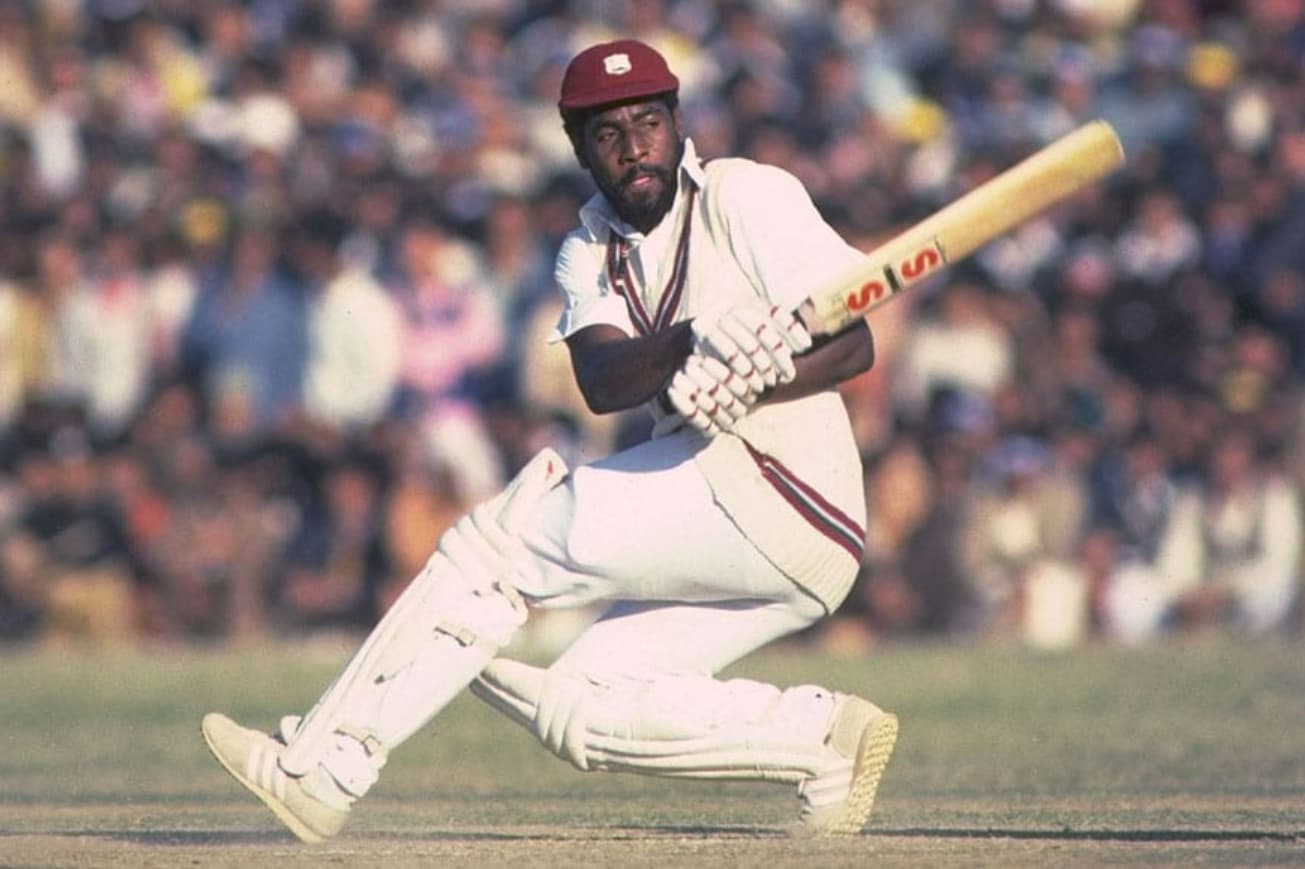
This analysis examines ranking longevity through format evolution lenses rather than isolated duration metrics.
Top 5 players with most days as No. 1 ODI batter
| Rank | Player | Country | Days at No.1 | Dominant Era | ODI Phase |
|---|---|---|---|---|---|
| 1 | Viv Richards | West Indies | 2306 | 1984-1991 | Early Establishment (1971-1992) |
| 2 | Brian Lara | West Indies | 2079 | 1998-2007 | Pre-T20 Era (1993-2007) |
| 3 | Virat Kohli | India | 1547 | 2017-2021 | Modern Three-Format (2008-present) |
| 4 | Michael Bevan | Australia | 1361 | 1999-2003 | Pre-T20 Era (1993-2007) |
| 5 | Babar Azam | Pakistan | 1359 | 2021-2024 | Modern Three-Format (2008-present) |
Era segmentation shows the Early Establishment phase produced longest individual tenures averaging 2,306 days.
The ODI Batsman With Most Days at No.1 Ranking in Cricket History benefited from structural conditions, including limited competition pools and extended rating windows, before modern volatility patterns emerged.
ODI Era Breakdown of No.1 Ranking Dominance
| ODI Era | Matches per Year | Ranking Volatility | Player Longevity |
|---|---|---|---|
| Early Establishment (1971-1992) | 15-25 | Low | 2000+ Days |
| Pre-T20 Era (1993-2007) | 30-45 | Medium | 1400-2100 Days |
| Modern Three-Format (2008-present) | 50-70 | High | 1300-1600 Days |
Match frequency increases correlated with decreased ranking stability across phases.
Modern era players face triple the annual ODI workload compared to 1980s conditions, directly impacting sustainable No.1 position durations through accelerated rating recalculation cycles and deeper competitive fields.
5. Babar Azam – 1359 Days
Babar Azam’s 1,359-day tenure occurred during Modern Three-Format era with ODI match density averaging 60+ annually. This phase features the shortest average No.1 durations among players with most days as No. 1 ODI batter in Cricket History due to intensive bilateral schedules and expanded competitive player pools across full ICC member nations.
Azam maintained top ranking through 2021-2024 period despite format competition from T20I priorities and fluctuating team performance impacts on individual rating calculations. His era features rapid ranking position changes with average No.1 retention periods under 500 consecutive days.
| Metric | Value |
|---|---|
| Days at No.1 | 1,359 |
| Era Phase | Modern Three-Format |
| Annual Match Average | 60+ |
| Ranking Period | 2021-2024 |
4. Michael Bevan – 1,361 Days
Michael Bevan operated during the Pre-T20 Era transition phase (1999-2003) when ODI formats maintained a singular focus without T20I scheduling conflicts.
Annual match frequencies averaged 35-40 ODIs, producing moderate ranking volatility between the Early Establishment and Modern periods.
Bevan’s 1,361-day duration reflects era characteristics, including extended bilateral series formats and concentrated competition among fewer elite-tier nations.
Rating calculation methodologies during this phase allowed longer No.1 retention compared to post-2008 structures with expanded international programming.
| Metric | Value |
|---|---|
| Days at No.1 | 1,361 |
| Era Phase | Pre-T20 Era |
| Annual Match Average | 35-40 |
| Ranking Period | 1999-2003 |
3. Virat Kohli – 1,547 Days
Virat Kohli’s 1,547-day accumulation spans the Modern Three-Format era beginning in 2017.
This phase introduced the highest ranking volatility in ODI history through intensive scheduling, T20I format prioritization, and expanded competitive depth across top-15 ranked nations, producing frequent position changes.
Kohli’s 11 separate No.1 stints represent fragmentation patterns characteristic of modern era conditions.
His tenure occurred during 50-70 annual ODI matches compared to 15-25 matches during the Early Establishment phase, directly correlating with reduced sustainable No.1 durations despite higher absolute performance levels.
| Metric | Value |
|---|---|
| Days at No.1 | 1,547 |
| Era Phase | Modern Three-Format |
| Ranking Stints | 11 |
| Annual Match Average | 50-70 |
2. Brian Lara – 2,079 Days
Brian Lara dominated during Pre-T20 Era peak (1998-2007) when format conditions transitioned from early establishment structures toward modern scheduling intensity.
His 2,079-day tenure included Most Consecutive Days as No.1 ODI Batter, reaching 892 unbroken days during the late-1990s period before competition intensification.
Lara’s era featured 30-45 annual ODI matches, producing medium ranking volatility between historical extremes.
His extended duration reflects the final phase, where individual players could maintain top positions exceeding 2,000 days before format evolution increased competitive density and match frequency.
| Metric | Value |
|---|---|
| Days at No.1 | 2,079 |
| Era Phase | Pre-T20 Era |
| Longest Streak | 892 Days |
| Annual Match Average | 30-45 |
1. Viv Richards – 2,306 Days
Viv Richards achieved a 2,306-day record during the Early Establishment phase (1984-1991) when ODI format featured lowest match frequencies and minimal competitive depth.
Richards represents the batsmen who held the No.1 ODI rank for most consecutive days with a 1,245-day unbroken streak during the period, averaging 15-25 annual ODI matches.
His era preceded modern ranking volatility through limited international scheduling and concentrated elite player pools.
Richards’ duration remains unmatched due to structural advantages from lower match density, extended rating calculation windows, and reduced competition from emerging cricket nations during the format’s developmental phase.
| Metric | Value |
|---|---|
| Days at No.1 | 2,306 |
| Era Phase | Early Establishment |
| Longest Streak | 1,245 Days |
| Annual Match Average | 15-25 |
Conclusion:
Era analysis of players with most days as No. 1 ODI batter in Cricket History reveals format evolution’s direct impact on ranking sustainability:
- Early Establishment era: 2,306-day maximum through low match density and limited competition pools
- Pre-T20 Era: 1,361-2,079 day range reflecting transition toward modern scheduling intensity
- Modern Three-Format era: 1,359-1,547 days maximum due to 3x match frequency and expanded competitive depth
- Annual ODI matches increased 300% from the 1980s (15-25) to the current period (50-70)
- Ranking volatility inversely correlated with era match density across a five-decade timeline
- Longest consecutive streaks decreased 78% from Richards (1,245 days) to Kohli (267 days) across format phases
Also Check:
- Most Player of the Match Awards in Cricket
- Players With Most Runs In ODI Cricket
- Players With The Most Catches In ODI
About the Author
