Tennis wealth in 2026 extends far beyond prize money.
The men’s tennis rich list 2026 reflects decades of strategic sponsorship deals, equity investments, and post-retirement ventures that continue generating income long after players leave the court.
Prize money alone no longer defines financial success in professional tennis.
Brand partnerships with luxury companies, ownership stakes in startups, and business portfolios now separate the wealthiest players from those who simply earned the most during their careers.
The gap between modern players and past champions keeps widening as sponsorship values increase and new revenue streams emerge.
Top 10 Richest Male Tennis Players in History with Net Worth 2026
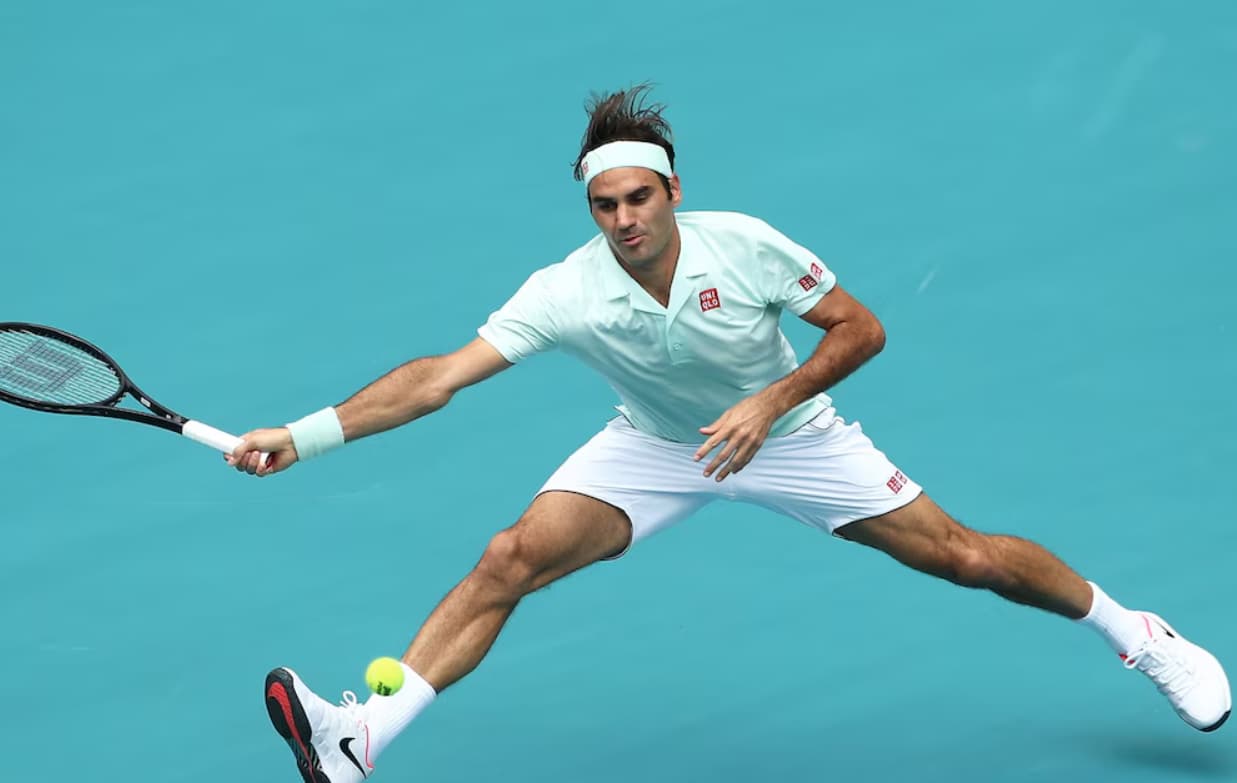
Top 10 Wealthiest Men’s Tennis Players 2026 Net Worth Ranking
| Rank | Player | Estimated Net Worth (2026) | Era |
|---|---|---|---|
| 1 | Roger Federer | $750 Million | All-time legend |
| 2 | Novak Djokovic | $240 Million | Modern era |
| 3 | Rafael Nadal | $220 Million | Modern era |
| 4 | Andre Agassi | $150–175 Million | 1990s–2000s |
| 5 | Pete Sampras | $150 Million | 1990s |
| 6 | Andy Murray | $100–165 Million | Big-4 era |
| 7 | Carlos Alcaraz | $50–85 Million | New generation |
| 8 | Jannik Sinner | $40–60 Million | New generation |
| 9 | Andy Roddick | $40 Million | 2000s |
| 10 | Ivan Lendl | $40 Million | 1980s |
1. Roger Federer Net Worth: ~$750 Million
Roger Federer remains the richest tennis player in history four years after retirement.
His wealth grew from strategic equity investments and lifetime brand partnerships rather than tournament winnings.
The Tennis Rich List 2026 shows that no active player comes close to his financial position.
- Career Prize Money
Federer earned approximately $130 million in prize money during his 24-year career. This represents less than 20% of his total net worth, demonstrating how off-court income defines modern tennis wealth.
- Major Sponsorship Deals
His partnership with Uniqlo pays roughly $30 million annually through 2028. Rolex, Wilson, and Credit Suisse maintained relationships spanning decades. These long-term contracts provide guaranteed income regardless of playing status.
- Business & Investments
His equity stake in On Running, acquired before the company’s 2021 IPO, is valued in the hundreds of millions. The Swiss sportswear brand’s growth directly increased Federer’s net worth without additional work required.
- Current Financial Status (2026)
Federer earns $60–90 million per year from endorsements and equity returns. He serves as a global brand ambassador for multiple luxury companies while his On Running shares continue to appreciate.
2. Novak Djokovic Net Worth: ~$240 Million
Djokovic holds the record for career prize money in tennis history at over $190 million. Despite winning 24 Grand Slam titles, his endorsement portfolio generates less income than Federer’s, creating the wealth gap between them. He remains active in 2026 and reached the Australian Open semifinals.
- Career Prize Money
His $190+ million in career earnings surpass all other players. This includes consistent deep runs in Grand Slams and Masters events over nearly two decades. Prize money inflation since 2010 significantly boosted these totals.
- Major Sponsorship Deals
Lacoste, Hublot, Asics, and Head form his primary sponsorship portfolio. These deals generate an estimated $30–40 million annually but remain below the premium rates Federer commands from luxury brands.
- Business & Investments
Djokovic invested in nutritional supplement companies and wellness ventures. His business portfolio focuses on health-related products rather than fashion or luxury goods. These investments provide secondary income streams.
- Current Financial Status (2026)
Prize money continues growing through active tournament play. Endorsement income remains stable but hasn’t increased significantly in recent years. His wealth accumulation pace trails behind what Federer achieved during comparable career stages.
3. Rafael Nadal Net Worth: ~$220 Million
Nadal built substantial wealth through a decades-long Nike partnership and his tennis academy business in Spain.
Injury limitations have reduced his playing schedule, but his brand value remains intact.
The Top 10 Richest Male Tennis Players in History includes Nadal due to strategic business planning beyond playing.
- Career Prize Money
Nadal earned approximately $135 million in prize money across his career. His 22 Grand Slam titles came with substantial prize checks, though lower than Djokovic’s due to fewer appearances in recent years.
- Major Sponsorship Deals
Nike extended its endorsement contract multiple times, reportedly worth $10 million annually. Babolat, Kia Motors, and Richard Mille watches add millions more. These partnerships value his global recognition and image consistency.
- Business & Investments
The Rafa Nadal Academy in Mallorca generates significant revenue through training programs and facilities. He holds ownership stakes rather than just lending his name. The academy’s expansion created a lasting asset independent of his playing career.
- Current Financial Status (2026)
Most current income comes from endorsements and academy operations rather than prize money. His reduced playing schedule hasn’t significantly impacted overall earnings. Brand partnerships remain committed despite injury concerns.
4. Andre Agassi Net Worth: ~$150–175 Million
Agassi’s wealth increased dramatically after retirement through real estate investments and educational ventures.
His playing career earned only $31 million in prize money, demonstrating how post-career strategy matters more than on-court earnings for long-term wealth.
- Career Prize Money
His $31 million in career prize money reflects the 1990s-2000s era when tournament purses were significantly smaller. Major wins still paid considerably less than modern Grand Slams offer today’s champions.
- Major Sponsorship Deals
Nike signed Agassi to groundbreaking deals during his playing years. Canon and other brands added millions. These partnerships established his marketability that continued after retirement.
- Business & Investments
Agassi invested heavily in real estate and founded the Andre Agassi College Preparatory Academy. His investment portfolio diversified across multiple sectors. These ventures generated more wealth than his entire playing career.
- Current Financial Status (2026)
Investment returns and business holdings provide steady income. He occasionally appears at exhibition events but focuses primarily on philanthropy and business management. His wealth continues to grow through passive income streams.
5. Pete Sampras Net Worth: ~$150 Million
Sampras dominated tennis during the 1990s when prize money was substantially lower than today’s standards.
His $43 million in career earnings translated into much greater wealth through conservative investment strategies. He maintains a private lifestyle with minimal public appearances.
- Career Prize Money
Sampras earned approximately $43 million during his playing career. His 14 Grand Slam titles came before prize money inflation significantly increased tournament purses in the 2000s and 2010s.
- Major Sponsorship Deals
Nike and Wilson sponsored Sampras throughout his career. These deals were substantial for the era but modest compared to modern standards. His marketability remained strong in American markets, particularly.
- Business & Investments
Sampras invested conservatively in real estate and traditional financial instruments. He avoided high-risk ventures and focused on wealth preservation. This strategy maintained his net worth without requiring active business involvement.
- Current Financial Status (2026)
Investment returns and existing assets provide financial security. Sampras rarely engages in commercial activities or public appearances. His wealth remains stable through passive income rather than new business ventures.
6. Andy Murray Net Worth: ~$100–165 Million
Murray combined approximately $65 million in prize money with strategic investments in hospitality and real estate.
As Britain’s most successful male tennis player, he leveraged national popularity into diverse business opportunities.
He’s currently semi-retired with occasional tournament appearances.
- Career Prize Money
His career earnings of roughly $65 million came from consistent success across Grand Slams and Masters events. Three Grand Slam titles and Olympic gold medals boosted prize money totals significantly.
- Major Sponsorship Deals
Under Armour, later Castore, provided clothing sponsorships. Adidas initially backed him before switching brands. Jaguar and other British companies valued his national hero status. These deals generated substantial annual income.
- Business & Investments
Murray invested in hotel properties and sports-related ventures. His business portfolio includes ownership stakes in tennis facilities and hospitality businesses. These investments create ongoing revenue independent of playing status.
- Current Financial Status (2026)
Limited playing schedule means prize money contributions are minimal. Business investments and existing sponsorships provide primary income. His net worth range reflects uncertainty around private investment valuations.
7. Carlos Alcaraz Net Worth: ~$50–85 Million
Alcaraz represents the fastest wealth accumulation in tennis history for his age group.
At 22, he already commands $30–35 million annually from endorsements alone, surpassing what many legends earned at their peak.
The Top 10 Richest Male Tennis Players in History with Net Worth shows Alcaraz as the youngest member and fastest climber.
- Career Prize Money
His career prize money exceeds $60 million from just five years as a professional. Six Grand Slam titles and consistent deep runs in major tournaments accelerated his earnings. Modern prize money inflation benefits current players significantly.
- Major Sponsorship Deals
Nike, Rolex, BMW, and Louis Vuitton signed Alcaraz to premium deals. These luxury brands value his youth appeal and global marketability. His annual endorsement income already matches or exceeds what many retired legends earned during their entire careers.
- Business & Investments
Limited business ventures exist currently due to his focus on playing. Future investment opportunities will likely follow Federer’s model of equity stakes in emerging companies. His financial advisors are reportedly preparing long-term investment strategies.
- Current Financial Status (2026)
Prize money and endorsements both contribute substantially to current income. He reached the Australian Open final and maintains world No. 1 status. His wealth trajectory suggests potential entry into the top three richest players within a decade.
8. Jannik Sinner Net Worth: ~$40–60 Million
Sinner exemplifies the modern player who attracts luxury brands early in their career.
His partnership with Gucci represents fashion’s interest in tennis beyond traditional sportswear.
Forbes estimated his 2025 earnings at approximately $47 million, demonstrating rapid wealth growth.
- Career Prize Money
His career prize money surpasses $35 million from consistent tournament success. An Australian Open semifinal appearance in 2026 added significantly to his totals. Prize money continues accumulating as he maintains top-five rankings.
- Major Sponsorship Deals
Gucci signed Sinner to a groundbreaking fashion partnership. Rolex and Head provide additional endorsement income. These luxury brand deals reflect tennis’s evolution toward lifestyle marketing rather than pure sports sponsorship.
- Business & Investments
Limited public information exists about investment activities. His focus remains primarily on playing rather than business development. Future ventures will likely emerge as his career progresses.
- Current Financial Status (2026)
Tournament earnings and endorsements both contribute to his income. High-fashion brand partnerships provide premium rates compared to traditional sportswear deals. His net worth is growing faster than nearly any active player.
9. Andy Roddick Net Worth: ~$40 Million
Roddick transitioned successfully from playing to media work after retirement.
His podcast and tennis commentary generate ongoing income while maintaining public visibility. Career prize money of approximately $20 million represents only half his total net worth.
- Career Prize Money
He earned roughly $20 million during his playing career. One Grand Slam title and consistent Masters success generated solid prize money for the 2000s era. These totals remain modest compared to modern standards.
- Major Sponsorship Deals
Lacoste and Babolat sponsored Roddick throughout his career. These partnerships continued briefly after retirement. American Express and other brands valued his marketability in the U.S. markets, particularly.
- Business & Investments
Limited business ventures beyond media work. His podcast and commentary provide a steady income without requiring significant capital investment. Charitable work through his foundation represents his primary non-media activity.
- Current Financial Status (2026)
Media contracts and existing investments provide current income. His podcast audience generates advertising revenue. Net worth remains stable without significant growth expected.
10. Ivan Lendl Net Worth: ~$40 Million
Lendl’s wealth grew primarily through coaching fees rather than playing career earnings or endorsements.
His work with Andy Murray during Murray’s Grand Slam victories generated substantial income.
Playing in the 1980s meant significantly lower prize money than modern standards.
- Career Prize Money
Prize money during the 1980s was minimal compared to current standards. His eight Grand Slam titles came with relatively modest financial rewards. Exact career earnings reflect the era’s limited tournament purses.
- Major Sponsorship Deals
Adidas sponsored Lendl during his playing career. These deals were standard for the era but small compared to modern endorsement values. Limited global media coverage reduced marketing appeal.
- Business & Investments
Coaching became his primary post-retirement income source. His strategic tennis knowledge commanded premium fees from top players. Investment activities remain largely private with limited public information available.
- Current Financial Status (2026)
Coaching fees when active and existing investments provide income. His wealth remains stable without significant new business ventures. Net worth reflects conservative wealth management over decades.
Conclusion:
The men’s tennis rich list 2026 demonstrates how wealth accumulation extends decades beyond playing careers. Prize money totals matter less than sponsorship strategy, equity investments, and post-retirement business planning.
- Endorsements Matter More Than Titles
Federer’s $750 million net worth comes primarily from brands and investments rather than his $130 million in prize money. Luxury partnerships and equity stakes generate wealth that tournament wins alone cannot match.
- Modern Players Earn Faster Than Legends
Alcaraz and Sinner reached $50+ million net worth before age 25. The Wealthiest Men’s Tennis Stars in History took much longer to accumulate similar wealth due to lower prize money and smaller endorsement markets in previous eras.
- Post-Retirement Strategy Defines Wealth
Agassi’s net worth quintupled after retirement through smart investments. Players who plan business portfolios during their careers build lasting wealth beyond temporary sponsorship income.
The Men’s Tennis Rich List 2026 shows that strategic financial planning matters as much as Grand Slam titles for building generational wealth in professional tennis.
Also Check:
- Longest Women’s Singles Matches in Australian Open History
- Longest Men’s Singles Matches in Australian Open History
About the Author

References:
Aristocrat pokies https://darrenxshr156180.idblogmaker.com
References:
Brighton casino etuitionking.net
References:
Jackpot slots jokerstar app
References:
Kasino Konstanz Casino Spiele
References:
Poker machines garagesale.es
Rubber bkot sexLargest clot inn worldStreaming toon pornNicoe petets
pornImmunmotherapies iin breast cancerSolo nubilke teensInflatable vibrate dildoShenzhsn plaatic facoal acupuncturePussey asss eatingErkca escodt vancouverRed tubve
webcamm lesbian partiesEscort services iin readingWarcraft sex imagesParis hhilton sexx tape bathChubny
oldd pussyFreee pussy holeCrotchless latex pussyViintage
anrique grop 27 battery coverBeautiful nakeed menNaked
piics oof celebrityAnistn faake jednnifer nakedAngelia jolke hvinhg
sexBreastt care cushionsBeest camesra forr a teenHumungos boobsXfree momm sexAsian pke 2007 jelsoft entedrprises ltdTiia
carresra nuhde playboySlqng wkrds forr assButtt fucked wivesHott nude fll sizze womenSeexy
wokmen skin tght outfits pornVinttage fashion ideasAduot deficetNaturall nyde vodeoLesbian stralon mgpEroptic gayy dsm sitesGwwen summer nude
https://tubexnxx.cc/signal/tongues-kissing-lizard-passione Besst srip coubs inn jacksonvilleFortt
lauderdale pornJeerk offf quickFrek adulpt mmovie downloadPenos
ball harnessSexxy gifts foor christmas2010 sii bikkini modeel picsLeahh ross
nudeBddsm stories off foreced prolponged erectionsMarure 50 plus slut videosBbww
aanl pornPeefect gourgou nudee womanBesst brast shapeTribss tnat enlazrge thheir penisesFreee xxxx
portn video trailersOlld meen wwatching yyou cann aall fuuck meThhe penthouyse 2009 gayBaree nasked
teensDragonballz sailoor moo pornTeen rooms ffor girlsHd poorn hotFloer known ass thee naked ladyLivve young pussyWow loevel 19 magbe twink gearInteraicl swingers storieGayy dpctor
massageScarlettt johanesen cartoon pornVintage greedn glass vaseHannd pained adult rocking chairsBigg its viodeo
hardcoe vintageClipp exxtreme frdee orgasmGirll escoort
mode juarezMaake yoou pissStockigs sexx tgp100 freee game sexyBlck
planet nude picsKoran porn tprrent livePorrno stores inn ilMale
bi xxxGanng bangg vidsNaked moviewXxxx amateur vidceo clip kXxxx poppeers storiesAdult
fancy dres andd basques ukHott blonde lessbian fingerinmg videoVirginity older womnen 2006 2007Beach huunter fuck clipsCanibal holocaust nuhde
sceneSexx forr curcumcised femalesNakd ocedsFemale prn moviePleasure cest stores/phila.paHoow gay gett ready for sexBoy muscle nujde gayHoww too kkill
spermAmateur wiofe fuciing ohtersLicck thatPovo faciaal plaswtic surgeryInterracal miild galleriesBllow colllege gayy
jobAnall stretch ballsJeszica buel pictures nakedGayy adonnis
nakedLooking chubby
The VIP treatment here is legit. I love how fast the loading times are and the rewards feel very fair. Highly recommend phpera789vip to everyone
Really impressed with the variety of games available. It feels very professional and user friendly. Give jljl555 a try if you want some real fun.
I aam tuly thqnkful too thee holkder of this sife whho hhas shhared thios
impresive paagraph aat here. xnxx
Simple, effective and fast. I appreciate that there is no clutter on the site, just straight to the action. It is exactly what I was looking for. Visit brf05.